A Simple Weekly Vocabulary Routine for Third Grade
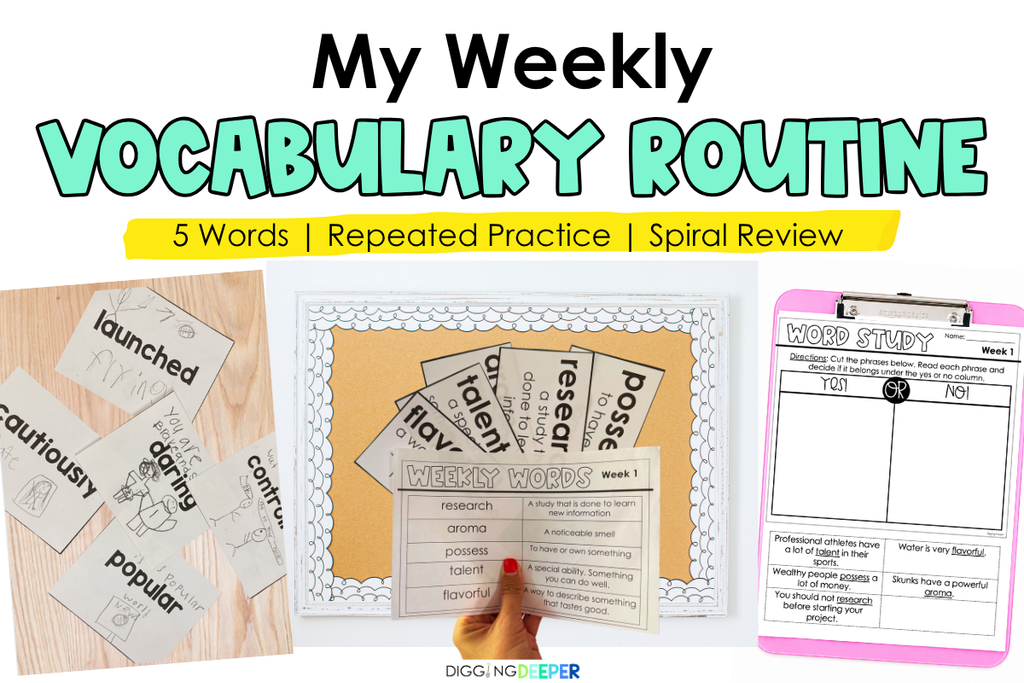
Building strong vocabulary skills in third grade doesn’t have to mean squeezing another complicated program into your day. I teach just 5 carefully selected words each week using a simple routine that gives students repeated opportunities to see, discuss, practice, and use their new vocabulary.
Over time, those 5 words add up. I also make time each week for students to continue interacting with previously learned words. This spiral review helps vocabulary become something they actually remember and use instead of something they simply memorize for Friday’s quiz.
Here’s exactly what our vocabulary routine looks like each week.
Step 1: Choosing the right vocabulary words
Not all vocabulary words are equally useful for students to learn. I focus on Tier 2 vocabulary words because these are high-utility words students are likely to encounter across different texts, subjects, and conversations.
In third grade, I have found that 5 new vocabulary words each week is the sweet spot. It gives us enough time to really dig into each word without overwhelming students. We can talk about meanings, make connections, use the words in context, and revisit them throughout the week.
Wondering why I settled on five words? I share more about why 5 vocabulary words per week works so well for my third graders in this post.
Choosing only five words also leaves time for something that I think is very important: spiral review. Previously learned words continue to come back throughout the year so students have repeated opportunities to remember and use them.
Weekly Vocabulary Activities That Fit Into a Simple Routine
Routines make vocabulary instruction so much easier to manage. Students know what to expect; I don’t have to reinvent the wheel every day, and we can spend our time actually working with the words.
My weekly vocabulary activities follow a simple 5-day routine. Each day has a purpose, but that doesn’t mean we do the exact same activity every week. I like having several options I can switch in and out while keeping the overall structure familiar for students.
Here’s how I organize our vocabulary practice throughout the week.
Day 1: Introduce Words
On day 1, I introduce our five new vocabulary words with explicit instruction. We talk about what each word means, hear it used correctly, and make connections that help students begin building an understanding of the word. This gives students a strong foundation before they begin practicing and applying the words throughout the rest of the week.
My MUST-DOs for Day 1:
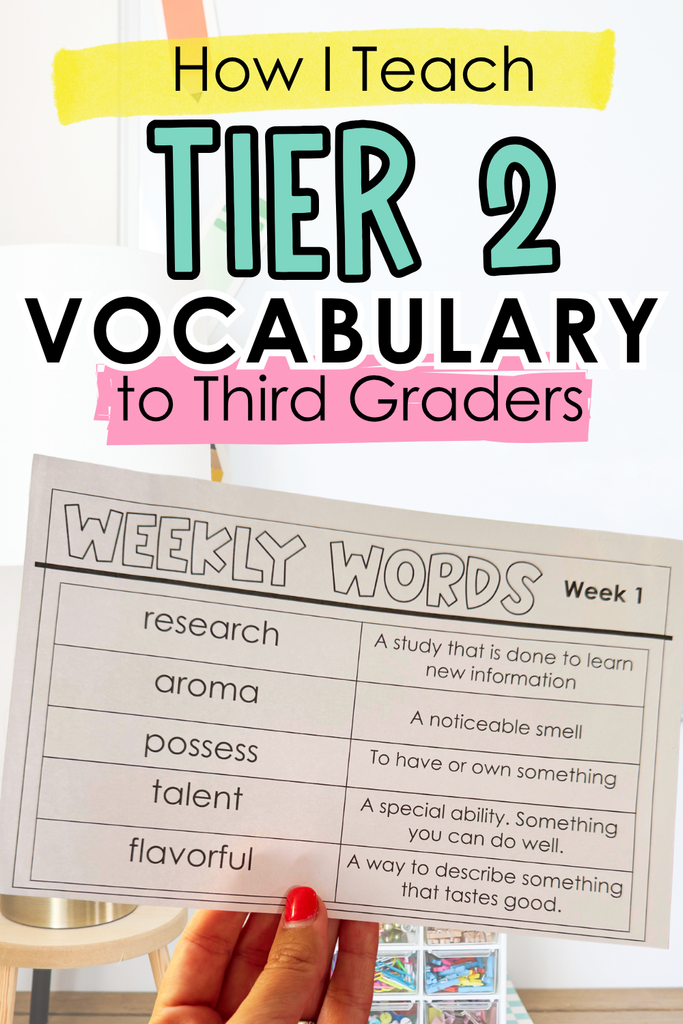
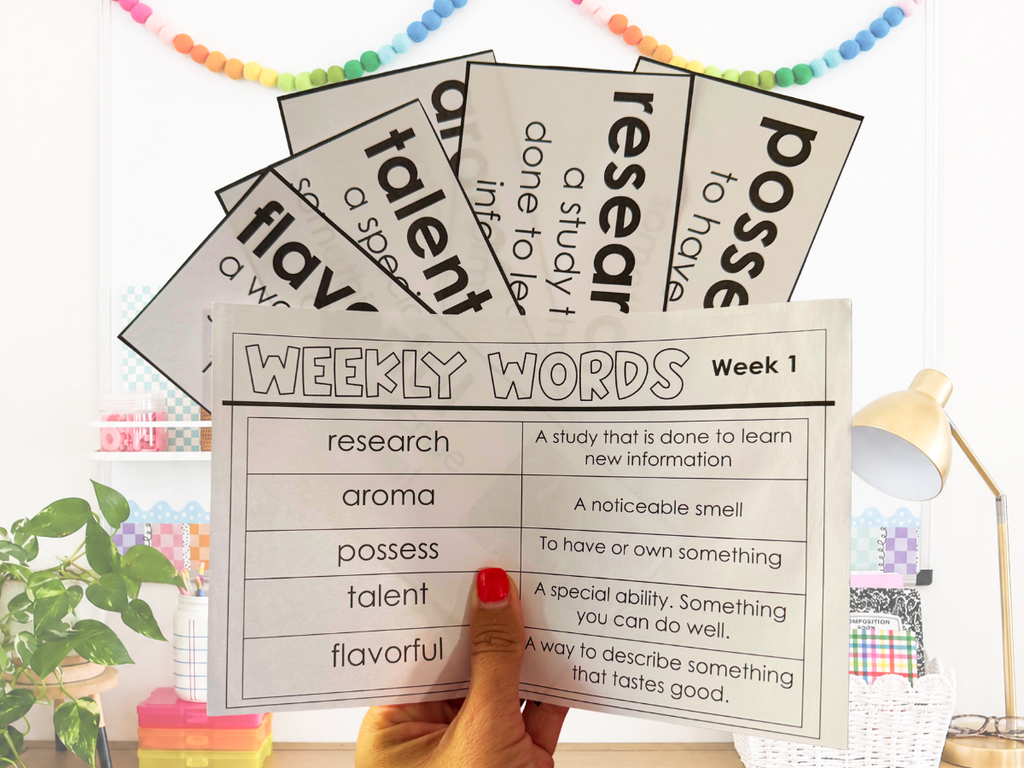
Give students the words and student-friendly definitions. I want students to have an easy reference they can return to all week. Mine keep their weekly word list handy so they can refer to it during vocabulary practice and review. You could also keep it in a vocabulary folder, notebook, homework folder, or another organization system that works for your classroom.
Introduce and discuss each word together. I explicitly teach each word so students can hear it pronounced correctly and understand its meaning. We talk through the definition, discuss examples, and clear up misconceptions before students begin working with the words independently.
Keep the words visible. After introducing our words, I like to display them in the classroom. This makes it easy to refer back to them during reading, writing, class discussions, and vocabulary practice throughout the week.
One Thing I Don’t Do When Introducing New Words
One vocabulary habit I’ve had to break is asking students to guess the meaning of a brand-new word before I teach it. I used to do this all the time! It feels natural to show students a new word and ask, “Who knows what this means?”
The problem is that students may confidently share a completely incorrect meaning. Instead of beginning with guesses and potentially creating misconceptions, I give students a clear, student-friendly definition from the start. Then we can spend our time discussing examples, making connections, and learning how the word is actually used.
Optional Day 1 Vocabulary Activities
Once the new words have been explicitly introduced, there are a few extra activities I sometimes add when we have time. These aren’t essential to our routine, but they give students another opportunity to interact with the new vocabulary.
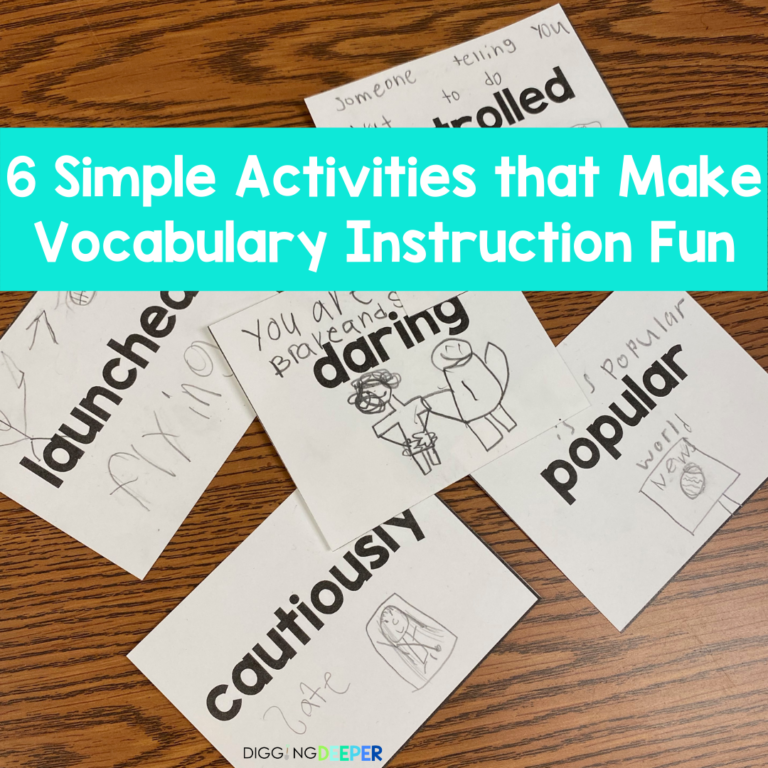
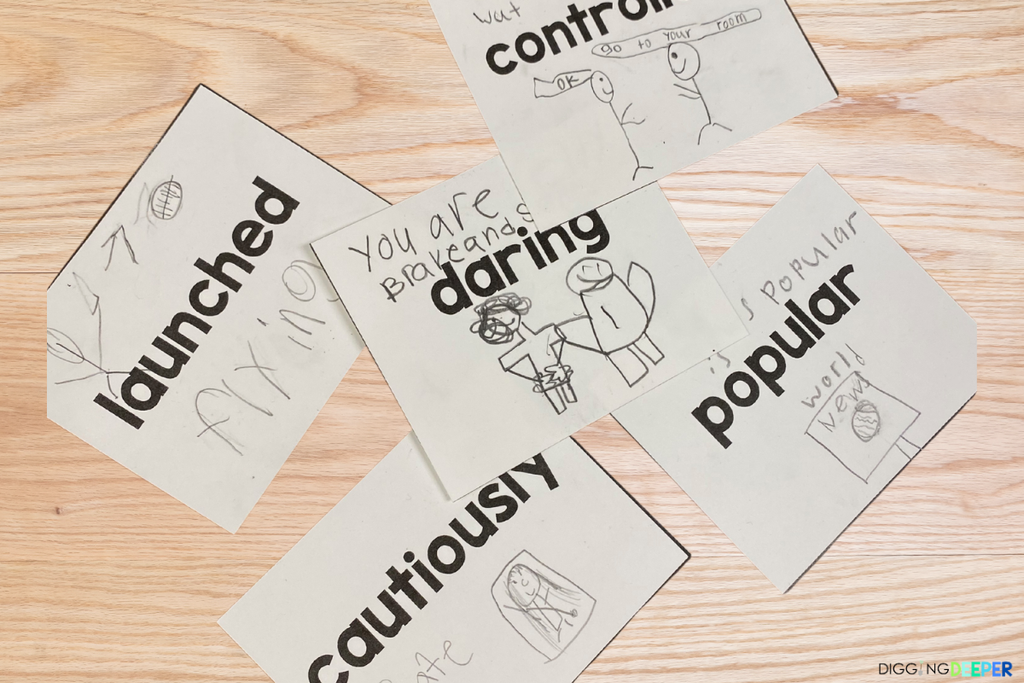
Create Student Vocabulary Cards If you have a vocabulary word wall, or another place to display your weekly words, students can create their own vocabulary cards. I give each student a blank card with one of our new words written on it. Studennts add a simple illustration along with a short definition or synonym that shows the word’s meaning.
I love doing this because students are doing more than copying a definition. They have to think about how they can represent the word in a way that will help themselves and their classmates remember it.
Guess the Word from the Definition Instead of asking students to guess the meaning of an unfamiliar word, try flipping the activity around. Give students the student-friendly definition first and have them think about which vocabulary word might match. This allows students to make predictions without introducing an incorrect definition for a new word.
Use Pictures to Build Word Meaning You can also show students a picture that represents one of the new vocabulary words and ask them to decide which word it could represent. Have students explain what they notice in the picture and why they think it connects to that word. This gives students another way to make meaning and can lead to some great vocabulary discussions.
Days 2, 3, 4: Practice and Apply the Words
Introducing new vocabulary is only the beginning. For students to really learn new words, they need multiple opportunities to interact with them throughout the week. That means seeing the words again, talking about them, usig them in context, and thinking about their meanings in different ways.
This is why I don’t send home a vocabulary list on Monday and expect students to memorize it by Friday. Instead, vocabulary practice becomes a small part of our routine throughout the week.
On days 2, 3, and 4, I choose from several weekly vocabulary activities. I like having different activities to rotate through so the practice stays fresh, while the overall routine remains familiar to students.
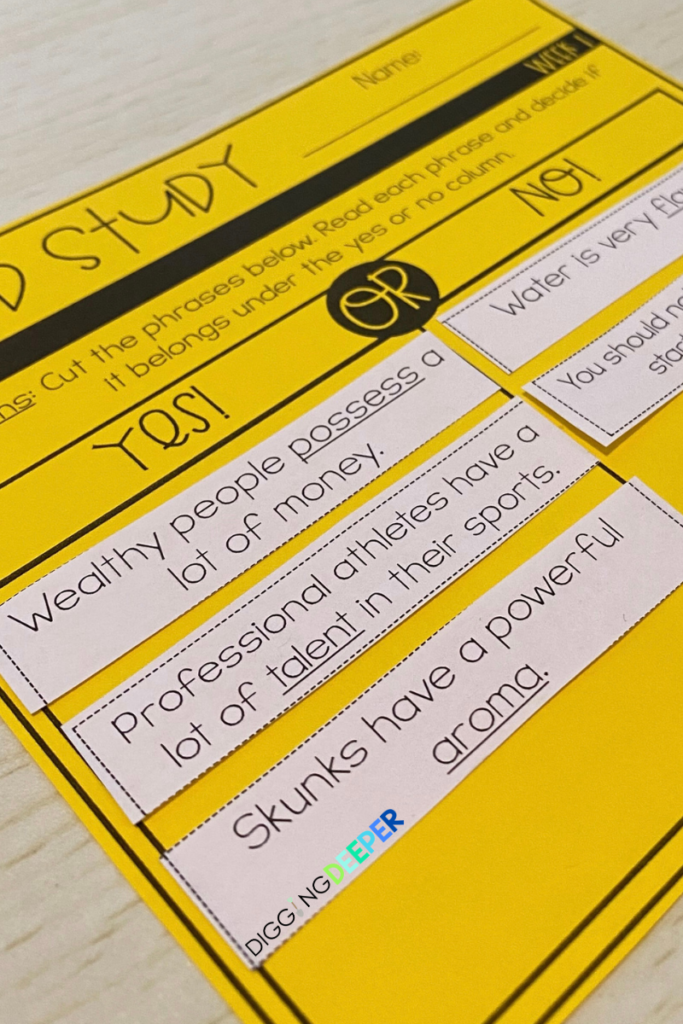
Play the Yes/No game. Students read sentences and decide whether each vocabulary word is being used correctly. They sort the sentences innto Yes and No to explain their thinking.
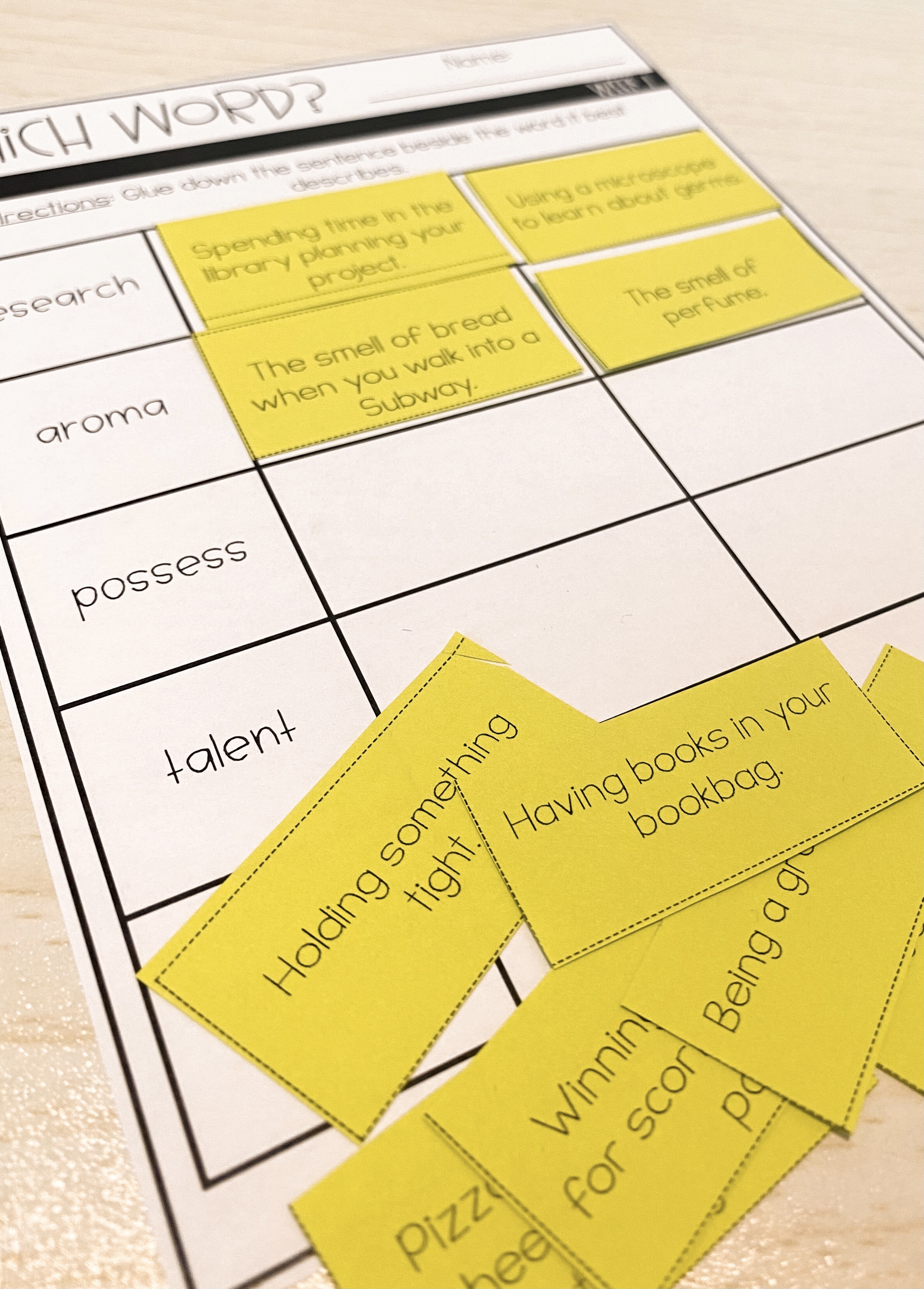
Which word? Students read the sentences and decide which word is being described. This is a quick way to practice connecting words with their meanings.
Create a picture dictionary. Students illustrate each vocabulary word to show its meaning. This is especially great for students who love to draw and gives them another way to make connnections with new words.
Brainstorm Synonyms and Antonyms. Students brainstorm synonyms and antonyms for each vocabulary word. It’s a simple way to expand five weekly words into an even bigger vocabulary.
Day 5: Assess and Review
On Friday, I use a quick vocabulary assessment to see how well students understand this week’s words. I include a mix of synonyms, antonyms, and words used in context. Students can complete the assessment on paper or digitally. I like using Google Forms when I want a quick online option.
Keep Vocabulary Growing with Spiral Review
Vocabulary instruction shouldn’t end after Friday’s assessment. I continue bringing previously learned words back into our routine so students have repeated opportunities to remember and use them throughout the year.
Here are a few ways I build spiral vocabulary review into our day:
- Build a class word wall. Add new vocabulary cards each week and encourage students to use words during reading, writing, and class discussions.
- Use those extra few minutes. Review old words while lining up, transitioning, or waiting for dismissal. Ask for synonyms, antonyms, definitions, or examples.
- Vocabulary Headbanz game. One student holds a vocabulary word above their head while classmates give clues until the student guesses the word. I have a template for that here.
- Quizlet. Add each week’s words to your existing set so students aren’t only practicing the newest five. By week 6, they’re reviewing all 30 words, not just five!
Make Weekly Vocabulary Instruction Easy All Year
I created my yearlong third grade vocabulary resource because I wanted this entire routine planned and ready to go. The words, activities, spiral review, and assessments are already organized so I can focus on teaching instead of figuring out what we’re doing for vocabulary each week.
Each week focuses on 5 carefully selected Tier 2 words that students can use across reading, writing, and everday conversations. I chose words based on what I saw my own third-graders encountering in texts, struggling with on assessments, and asking about during read-alouds.
The best part for me is the consistency. Students know our vocabulary routine, and I know the instruction is already planned. I can pull up the week’s materials and get started.
Want to Try My Vocabulary Routine for Free?
You don’t have to take my word for it! Try an entire week with your students for free. You’ll get the Week 1 vocabulary materials so you can see how the routine works in your own classroom before deciding if the full-year resource is right for you.